Adam's Lettuce Failure
Adam Trask, having emerged from a long, self-imposed emotional paralysis after his wife Cathy shot him and abandoned their newborn twins, began to stir with a restless need for purposeful work. The Salinas Valley was booming, and Adam, a man of inherited wealth, felt the pull of enterprise. His mind fixed on a single, consuming idea: the preservation of perishable goods through cold. This obsession, born from a fascination with a frozen mastodon and nurtured by scientific magazines and experiments in his new icebox, led him to believe he could ship fresh lettuce from the mild California winter to the frozen markets of the East Coast, a venture that would revolutionize the produce trade.
The Grand Venture and Its Spectacular Collapse
Adam threw himself into the project with an energy he had not known he possessed. He purchased the Salinas Ice Plant and, ignoring the cautious advice of the businessman Will Hamilton, who warned him that the market was not ready and that the risks were insurmountable, he organized the first large-scale shipment of lettuce. Six entire railroad cars were packed with trimmed, iced lettuce, decorated with grand placards proclaiming "Salinas Valley Lettuce," and dispatched to New York with great civic fanfare. The Chamber of Commerce attended the departure, and for a moment, Adam was hailed as a forward-looking visionary. But a series of cruel, unplanned events—a snow slide in the Sierras, unseasonable warmth across the Midwest, and a confusion of orders in Chicago—caused the train to be delayed for days. By the time the cars reached New York, the lettuce had rotted into a slop, and the entire shipment was lost. The telegram from the commission house confirmed the total failure, and Adam had spent a fortune, leaving himself with only about nine thousand dollars and the ranch.
The Aftermath: Public Humiliation and Private Resolve
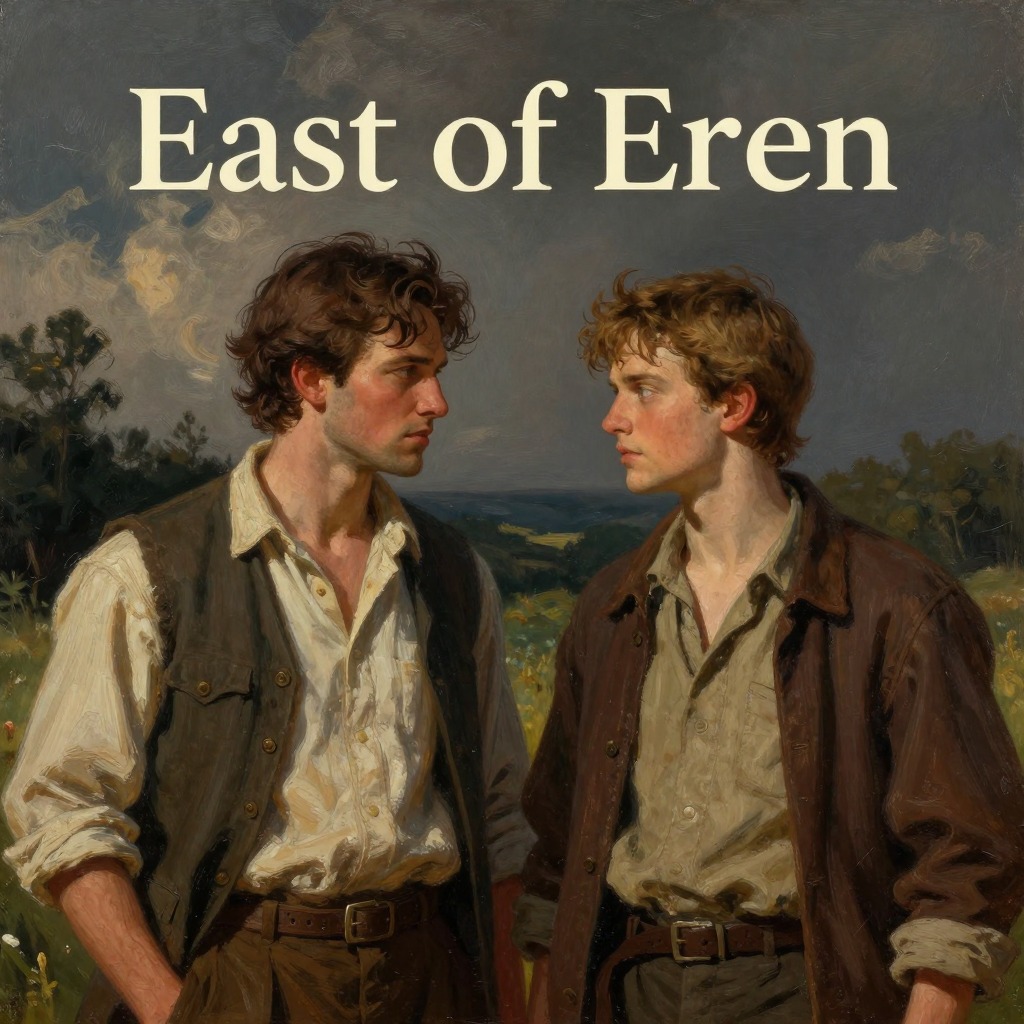
The failure was a sensation in Salinas. The businessmen who had praised Adam's foresight now condemned his folly, calling him a fool and a dreamer. The twins, Cal and Aron, then fifteen years old, were cruelly nicknamed "Lettuce-heads" by their schoolmates, a humiliation that cut deeply, especially for the sensitive Aron. Adam himself, however, did not retreat into the gray, sleepwalking despair that had followed Cathy's departure. Instead, a strange, enduring smile settled on his face. When Lee, fearing a relapse, asked if he was going to crawl back into his hole, Adam replied that he was not. He still believed the idea was sound, that cold did preserve things, and he resolved to keep the ice plant and figure something out. The failure, while financially devastating, had paradoxically broken the final shackles of his past. He had acted, he had risked, and he had lost, but he had not been destroyed. The experience, as Lee later observed, had forced him to live or "get off the pot." It was a painful but necessary step toward reclaiming his life, a process that would ultimately lead him to a deeper understanding of his sons and himself.
The Seeds of Future Conflict
The lettuce failure had a profound and divisive impact on the Trask twins. For Aron, the public shame was unbearable. He felt the sneers of the town as a personal attack and grew increasingly resentful of his father, whom he blamed for the family's fall from grace. This resentment, coupled with a desperate desire to escape the taint of the failure, drove him to accelerate his studies, pass his college entrance exams a year early, and ultimately to flee to Stanford University, seeking a world of purity and distance from the humiliation. For Cal, the failure ignited a different fire. He saw his father's loss and felt a fierce, protective love. He resolved to make amends, to restore the family fortune and prove his own worth. This ambition led him to a secret partnership with Will Hamilton, speculating on the bean market as the war in Europe drove prices up. Cal's success in this venture, earning fifteen thousand dollars, was his attempt to buy back his father's love and redeem the family name. The lettuce failure, therefore, did not just cost Adam his money; it set his two sons on radically different courses—one toward escape and a fragile idealism, the other toward a pragmatic, and ultimately dangerous, pursuit of power and approval.